
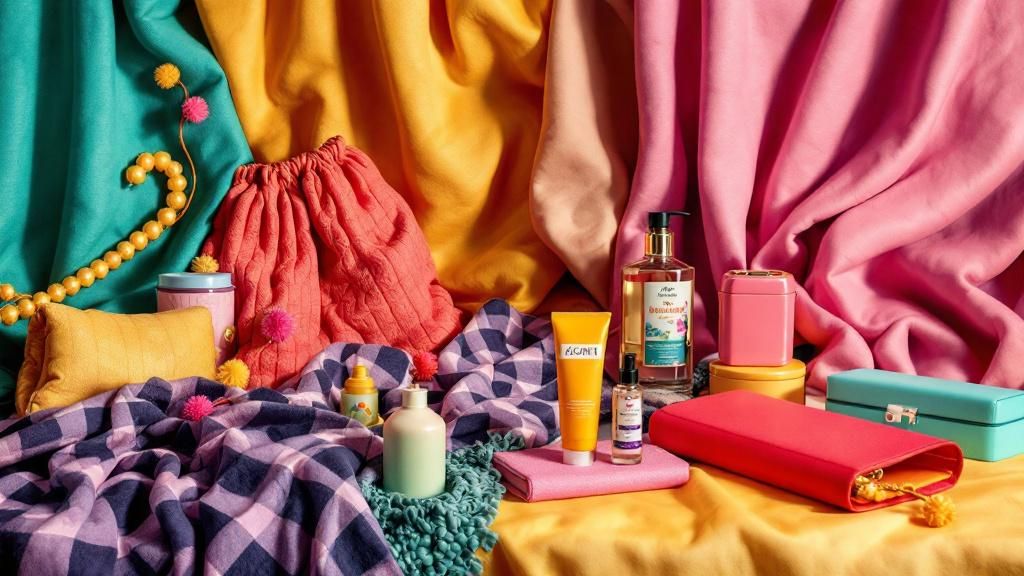
The pioneering photographer Claire Aho, Finland’s pioneering color photographer, brought wit, sophistication, and cinematic flair to postwar visual culture at a time when the medium was dominated by men. Active during the 1950s and subsequent decades, Aho transformed everyday scenes into stylish moments whilst showcasing confident, modern women who represented the optimism of postwar Finland. Today, almost ten years following her passing in 2015, her pioneering work is receiving recognition in a major exhibition at Hundred Heroines Museum in Stroud. “Colour Me Modern: Claire Aho and the Modern Woman” runs until 31 May and showcases how the Finnish photographer—fondly referred to as the “grand old lady of Finnish photography”—contributed to establishing an entirely new visual language for her nation via her innovative approach to colour techniques and keen compositional eye.
Breaking Through in a Male-Centric Field
During the 1950s, when Aho was establishing herself as a photographer, the photography and advertising industries were almost exclusively the preserve of men. Yet she persevered, becoming among the handful of women creating colour images in Finland at that time. Her entry into the profession was enabled through her father, Heikki Aho, who was an accomplished photographer and film-maker. Building on his legacy, she initially served as a documentary film-maker before setting up her own practice in the early 1950s, a bold move that would fundamentally transform Finnish visual culture.
Aho’s wide-ranging portfolio reflected her adaptability and drive within a sector that offered limited opportunities for women. Her assignments included magazine and editorial work to prominent advertising campaigns and fashion photography. She established herself as a frequent contributor to prominent women’s magazines, such as the established publication Eeva and the more modern Me Naiset (We the Women), where she documented fashion narratives and celebrity portraits at a turning point when Finnish television was presenting new audiences to emerging personalities and modern lifestyles.
- One of few women producing colour photography in 1950s Finland
- Learned photography craft from her father, Heikki Aho
- Moved from documentary film-making to studio-based photography
- Worked in fashion, editorial, advertising and celebrity portraiture
Mastering Colour While Others Avoided It
Whilst numerous contemporaries were doubtful of colour photography’s viability, Aho championed the medium with typical conviction. Her father’s frank remarks about the inferior standard of colour work being produced in Finland became a stimulus to her ambitions. As post-1945 limitations eased and photographic materials became more widely obtainable, she took advantage to create groundbreaking methods that would produce the beautifully saturated, permanently stable images that Finnish industry critically demanded. Her innovative contributions came at the ideal juncture when fashion and product photography were transitioning away from black-and-white, establishing market demand and prospects for a photographer of her calibre and vision.
Aho understood colour not merely as a technical accomplishment but as a modern visual medium—one that could convey modernity, optimism and style to postwar viewers hungry for change. By the 1950s, she had positioned herself as one of Finland’s select accomplished specialists of colour photographic work, able to ensure both the permanence and accuracy of colours throughout the entire production process. This expertise proved indispensable to commercial clients and publications alike, establishing her as an essential figure in Finland’s visual transformation during a period of significant change.
From Documentary Work to Creative Studio Innovation
Aho’s formative career trajectory reflected her commitment to master various visual storytelling. Beginning as a documentary film-maker—a natural extension of her father’s influence—she developed an keen awareness to compositional narrative and genuine human moments. This background proved instrumental when she moved into studio photography in the early 1950s. The skills she had developed in documentary work—observing light, recording authentic emotion, and building compelling visual narratives—transferred seamlessly into her commercial practice, giving her advertising and fashion work an unexpected authenticity that set her apart from more conventional studio photographers.
Her founding of an independent studio marked a turning point in her career, permitting her to undertake projects with increased creative autonomy. Rather than viewing fashion and advertising as separate from artistic endeavour, Aho wove the technical precision and emotional intelligence she had developed through documentary work into every commercial assignment. This approach elevated her advertising campaigns and fashion editorials beyond mere product promotion, turning them into meticulously constructed visual statements that conveyed the aspirations and aesthetic sensibilities of modern Finland.
Celebrating Finland’s Commercial Revival
The 1950s marked a crucial juncture in Finnish consumer marketplace, as wartime controls lifted and new consumer goods saturated the market. Aho’s visual documentation proved essential to documenting and celebrating this change in society, illustrating the energy and hopefulness that marked Finland’s economic recovery. Her advertising campaigns for major brands including Marimekko and Fazer Finlandia elevated ordinary goods into must-have purchases, imbuing them with style and sophistication. Through her lens, Finnish design and manufacturing established itself not as basic goods but as symbols of national character and contemporary progress. Her work embodied the broader cultural narrative of a nation reinventing itself through current artistic vision and forward-thinking design.
Aho’s influence transcended individual commissions; she played a key role in shaping how Finland presented itself to the world during this critical time of reconstruction. By regularly creating visually striking advertisements and editorial spreads, she helped build Finland’s reputation for design excellence and commercial innovation. Her colour photography lent credibility and visual distinction to Finnish brands at a time when worldwide recognition remained unclear. The technical expertise she brought to each project—the rich colours, exact composition and cinematic sensibility—raised Finnish commercial culture to a level of sophistication that matched European and American standards, establishing the nation as a significant contributor in post-war design and manufacturing.
- Worked with renowned Finnish companies such as Marimekko and Fazer Finlandia throughout the 1950s
- Produced style features for women’s publications Eeva and Me Naiset regularly
- Photographed emerging Finnish celebrities achieving recognition through recently introduced television sets
- Developed dependable colour photographic methods that ensured permanence and accuracy in production
- Transformed commercial photography into refined visual expressions reflecting postwar confidence and design
Fashion and Aesthetics as Source of National Pride
Finnish fashion and design during the postwar era|in the postwar period became vehicles for national expression and cultural pride. Aho’s editorial work for women’s magazines documented the emergence of a distinctly Finnish aesthetic—one that balanced modernist principles with accessible elegance. Her portraits of celebrities and fashion models conveyed a new type of Finnish woman: confident, contemporary and aspirational. Through her photography, she presented fashion not as frivolous luxury but as a legitimate expression of national identity. The magazines she regularly contributed to, particularly the forward-thinking Me Naiset, positioned fashion and design as central to Finland’s cultural conversation, and Aho’s striking visual language gave these conversations considerable weight and cultural authority.
Her collaboration with design-led brands like Marimekko revealed a more nuanced grasp of Finnish design philosophy. Rather than merely recording products, Aho’s advertisements interrogated the intellectual basis of Finnish modernism—clarity, functionality and visual honesty. Her colour choices complemented the bold geometric patterns and cutting-edge materials that characterised Finnish design, establishing visual harmony that cemented the nation’s reputation for aesthetic innovation. By displaying these works with cinematic refinement and structural exactness, Aho advanced Finnish design to global prominence, proving that contemporary commercial culture could be both commercially successful and artistically rigorous.
The Craft of Humour and Writing
Claire Aho’s photographs surpassed the purely commercial through her sophisticated understanding of composition and visual narrative. Whether capturing fashion editorials, advertising campaigns or portraits of celebrities, she infused a distinctly cinematic sensibility to her work. Her keen eye for framing transformed commonplace instances into carefully orchestrated visual statements. The interplay of light, shadow and colour in her images demonstrates an artist thoroughly invested in modernist aesthetics whilst staying accessible to broader audiences. This balance between artistic integrity and popular appeal distinguished Aho from her peers and established her reputation as a visionary who elevated photography of postwar Finland to artistic status.
Aho’s method of composition often incorporated unconventional touches of wit and playfulness, challenging conventions within the commercial realm. A woman placed behind glass, a arrangement of flowers suggesting movement and vitality—these choices demonstrated her ability to inject personality and humour into assignments. She grasped that colour itself could be a vehicle for expression, deploying rich tones not merely for accuracy but as an vehicle for conceptual and emotional communication. Her photographs prompted viewers to interact intellectually while also appealing to their aesthetic sensibilities, proving that commissioned work need not sacrifice creativity or intellectual rigour for commercial viability.
| Photographic Approach | Key Achievement |
|---|---|
| Cinematic composition and framing | Transformed everyday scenes into sophisticated visual narratives |
| Pioneering colour saturation techniques | Guaranteed permanence and accuracy whilst achieving artistic expression |
| Integration of wit and visual playfulness | Elevated commercial photography to conceptual art |
| Modernist aesthetic applied to mass media | Bridged gap between artistic integrity and popular accessibility |
Recording Daily Life Using Humour
Aho possessed a unique ability to uncover wit and visual appeal within ordinary subject matter. Her commercial work—whether shooting sweets, flowers or household products—became occasions for creative development. She handled each brief with genuine curiosity, seeking compositional angles and colour schemes that exposed unexpected beauty or wit. This approach elevated product photography from mere documentation into something resembling fine art. Her images implied that commonplace items deserved serious artistic consideration, reflecting broader postwar thinking about design and commerce emerging as legitimate cultural expressions.
The humour in Aho’s work was never forced or obvious; instead, it arose organically from her sharp eye for detail and creative decisions. A carefully positioned model, an unexpected perspective, a surprising juxtaposition of colours—these subtle interventions created photographs that captivated audiences upon multiple viewings. This refined method to commercial work demonstrated that popular culture and creative aspiration were not incompatible. Aho’s legacy rests partly on her conviction that intelligence, wit and visual delight could coexist within the commercial context, enhancing the entire medium of postwar Finnish photographic practice.
Legacy of an Unrecognised Visionary
Claire Aho’s contributions to Finnish visual culture have long remained underappreciated, overshadowed by the male-dominated narratives of postwar photography history. Yet her pioneering work in color imaging during the 1950s substantially transformed how Finland presented itself to the world. She showed that technical mastery and artistic vision were not competing concerns but mutually reinforcing elements. Her ability to guarantee color stability whilst producing vivid, emotionally charged photographs addressed a technical challenge that had troubled the field, whilst creating new visual opportunities. Aho demonstrated that women could excel in domains historically dominated by men, creating pieces of authentic originality and enduring cultural importance.
Currently, recognition of Aho’s impact remains on the rise, especially via shows such as “Colour Me Modern” at Hundred Heroines Museum. Her photographs provide contemporary viewers a glimpse of a pivotal moment of Finnish modernization, capturing the optimism, style and commercial dynamism of the postwar era. The display emphasises how Aho’s work transcended commercial commissions, serving as a photographic record of social change. Her confident portrayal of modern women, her sophisticated use of colour as conceptual expression, and her rejection of inferior standards in a male-dominated field together position her as a transformative figure. Aho’s heritage demonstrates that forgotten trailblazers deserve proper historical recognition and continued scholarly attention.
- One of the Finnish rare female colour photographers operating professionally throughout the 1950s
- Created advanced colour saturation methods guaranteeing longevity and artistic merit
- Transformed advertising and commercial photography to refined artistic practice
- Presented modern Finnish women with confidence, style, and contemporary visual language
